Underchute Height Optimization in Bulk Material Handling: A Systems Engineering Approach to Reducing CAPEX, OPEX, and Energy Consumption
Author: [Ramadhani Santoso - ramadhani@meta-mineral.com ]
Category: mining equipment Optimization | bulk Handling
In large-scale mining, mineral processing, cement, and bulk materials handling facilities, transfer chutes are often considered secondary equipment compared to crushers, conveyors, or grinding mills. However, experienced engineers recognize that the design of a transfer chute has far-reaching implications for the performance, cost, and maintainability of the entire conveying system.
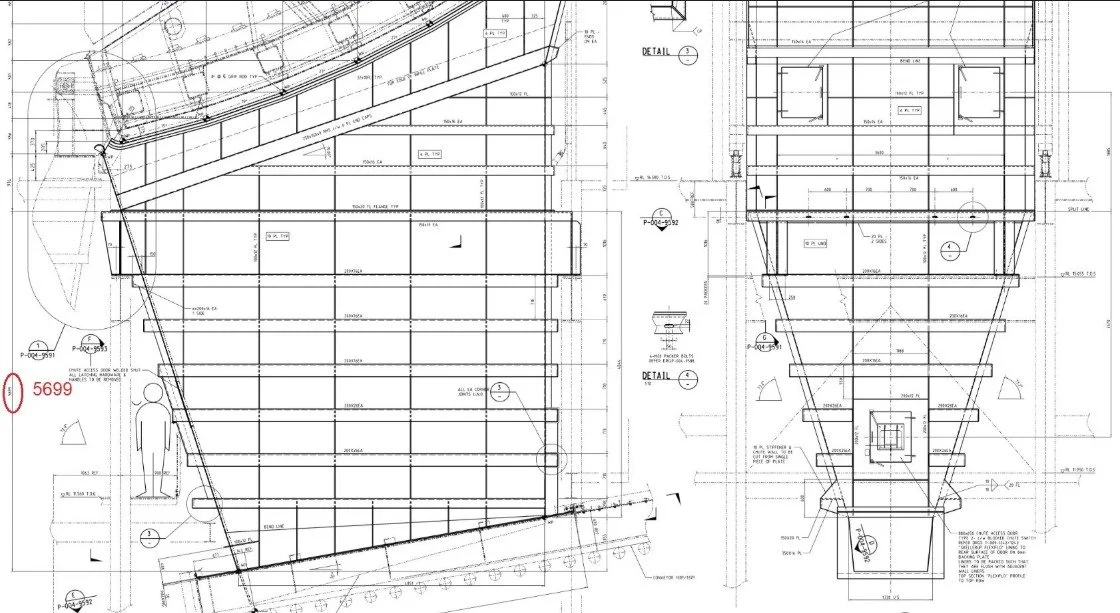
One design modification can fundamentally change plant economics. For example, reducing the underchute height by 5.7 meters through a revised transfer arrangement can lower conveyor elevations, reduce installed motor power, minimize structural steel requirements, simplify maintenance, and significantly reduce both Capital Expenditure (CAPEX) and Operating Expenditure (OPEX).
Rather than viewing a transfer chute as merely a material passage, modern engineering considers it an integral component of the entire bulk handling system.
The Hidden Cost of Excessive Underchute Height
Many processing plants inherit excessive elevation because each engineering discipline optimizes its own equipment independently.
Typical design progression:
Crusher → Transfer Chute → Conveyor → Screening → Storage → Grinding
During iterative design stages, several conservative assumptions accumulate:
Additional maintenance clearance
Over-sized discharge trajectories
Conservative wear liner allowances
Future expansion provisions
Generic chute geometries
Individually these decisions appear insignificant.
Collectively they may increase the conveyor profile by several meters.
A 5–6 m increase in conveyor elevation affects almost every downstream engineering discipline.
Why Vertical Height is Expensive
Every additional meter of elevation introduces additional costs across multiple engineering packages.
These include:
Larger transfer towers
Longer stairways
Higher platforms
Larger foundations
Increased structural steel
Longer conveyors
Higher conveyor lift
Larger drive motors
Increased belt tension
Greater maintenance exposure
Unlike equipment costs, these expenses compound throughout the plant.
Engineering Principle Behind Underchute Optimization
The objective is straightforward:
Maintain material flow while minimizing unnecessary vertical elevation.
Achieving this requires optimization of:
Material trajectory
Chute geometry
Material velocity
Impact angle
Conveyor loading position
Material stream confinement
Liner arrangement
Modern chute engineering uses digital engineering tools to predict how millions of individual particles behave during transfer.
Instead of relying on empirical rules, engineers optimize the chute based on particle mechanics.
System-Wide Benefits of Reducing Underchute Height
1. Lower Incoming Conveyor Elevation
The most obvious benefit is a reduction in conveyor lift.
Instead of lifting material to an unnecessarily high transfer point, conveyors can operate at lower elevations.
Advantages include:
Lower conveyor trestles
Reduced gantry height
Shorter support structures
Easier maintenance access
Improved plant accessibility
Lower conveyors also reduce installation complexity.